How to Choose the Right Character Style for Your Child's Personality
Choosing the right character style for your child's storybook starts with simply watching them. Notice their creativity, how they behave, and what they love. Then, pick a character that reflects who they really are. This turns storytime into a truly personal experience that helps them grow.
When you first look at a storybook, the character style might seem like a minor detail. But here's the thing—kids don't just enjoy stories. Quietly, without you even realising, they start to copy how the characters react, speak, and handle situations. That's where creative character creation becomes so important.
The goal isn't to force new traits onto your child. It's about choosing a character who already feels like them—someone who can guide them gently through the power of role modelling. This guide will walk you through exactly how to choose the right character style for your child's unique personality.
Start by Knowing Your Child
Watching and Learning
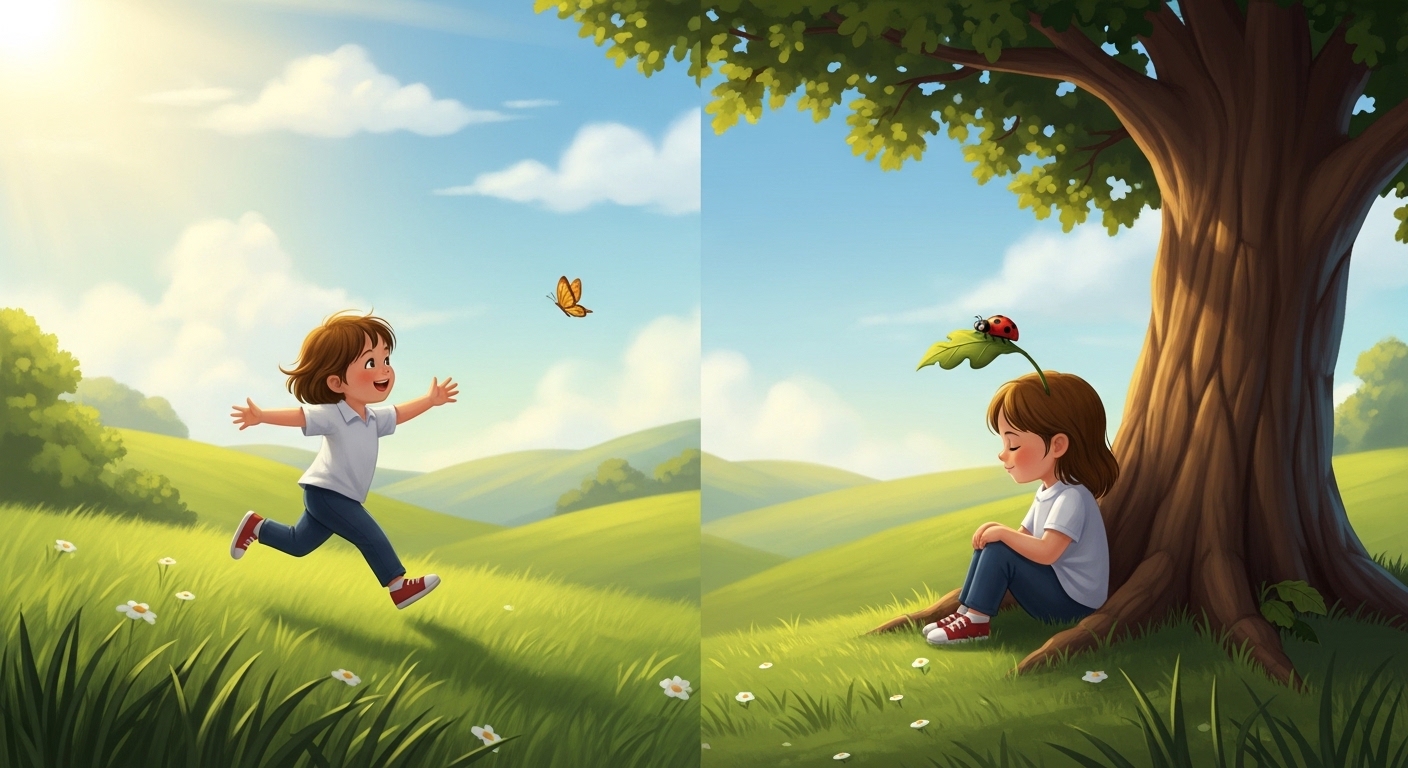
Before you even think about character selection, take a step back and do a bit of behavioural personality mapping. Just watch your child. Are they full of energy, always on the move? Or do they prefer to hang back, watch, and then respond? Some kids get upset when their routine changes, while others take it all in their stride.
These little patterns reveal your child's temperament. And understanding their personality types is the first step to figuring out which character style will truly resonate with them. It's about finding a character that fits, not forcing your child to fit the character.
What Do Character Styles Actually Do for Children?
Emotional Reference Points
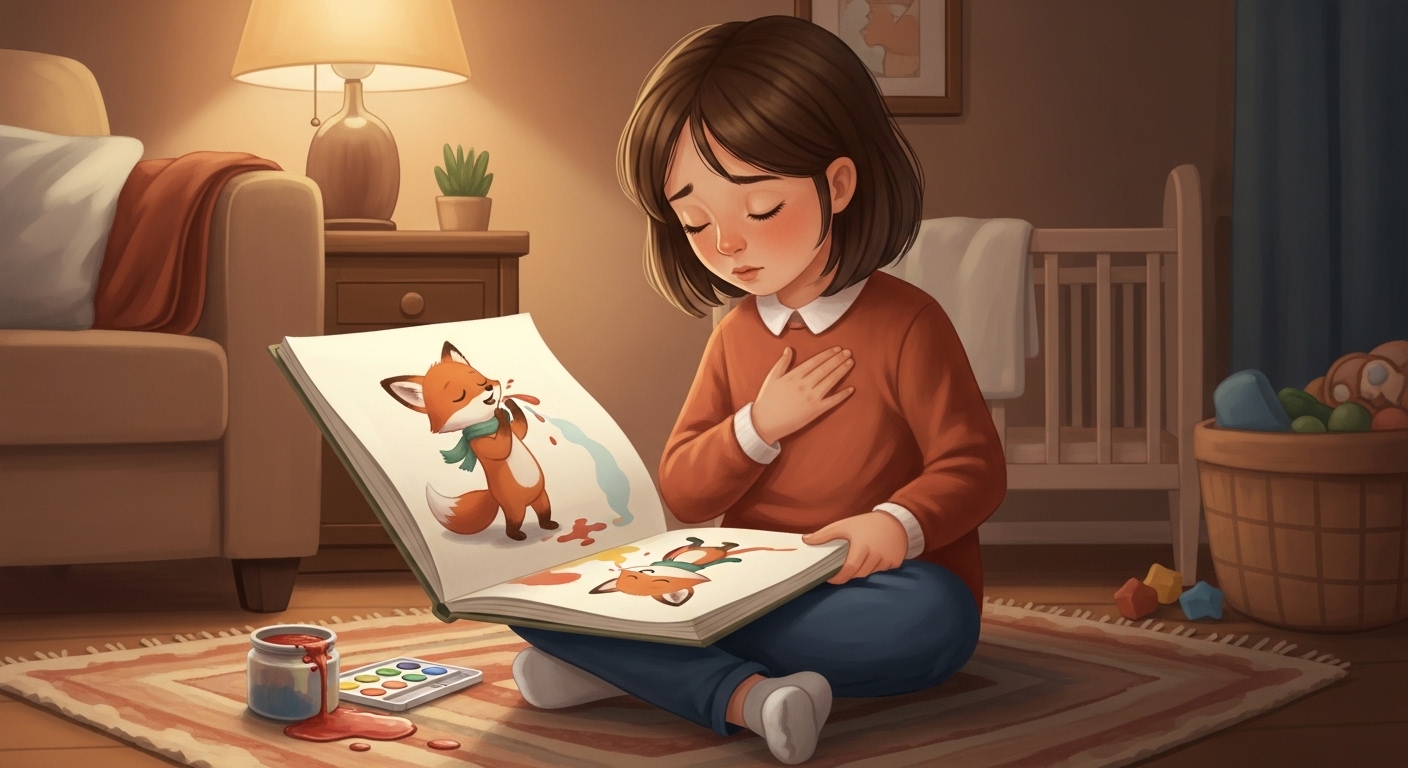
Characters in storybooks become emotional reference points. A child might forget a moral lesson you try to teach, but they'll remember how a favourite character reacted when things went wrong. That reaction sticks in their mind as an option.
Read the same story enough times, and those responses start to shape how your child approaches conflict, patience, honesty, and friendships. That's the quiet power of a well-chosen character.
Mirror or Guide?
This is why getting the character style right matters more than the message itself. When a character feels relatable, the child absorbs behaviour naturally—no pressure needed. But if the character feels forced or preachy, the lesson usually bounces right off.
Sometimes, a child needs to see themselves reflected in a character—someone who shares their familiar behavioural patterns. Other times, a character who responds differently can gently introduce a new way of handling things. Both approaches work; it just depends on your child.
Many parents skip this step in personality-based storytelling. They focus on traits they admire rather than what their child can actually connect with. But storybooks work best for growth when the change feels subtle, not like a lesson.
Choosing Character Styles Based on Your Child's Personality
For Introvert and Extrovert Children
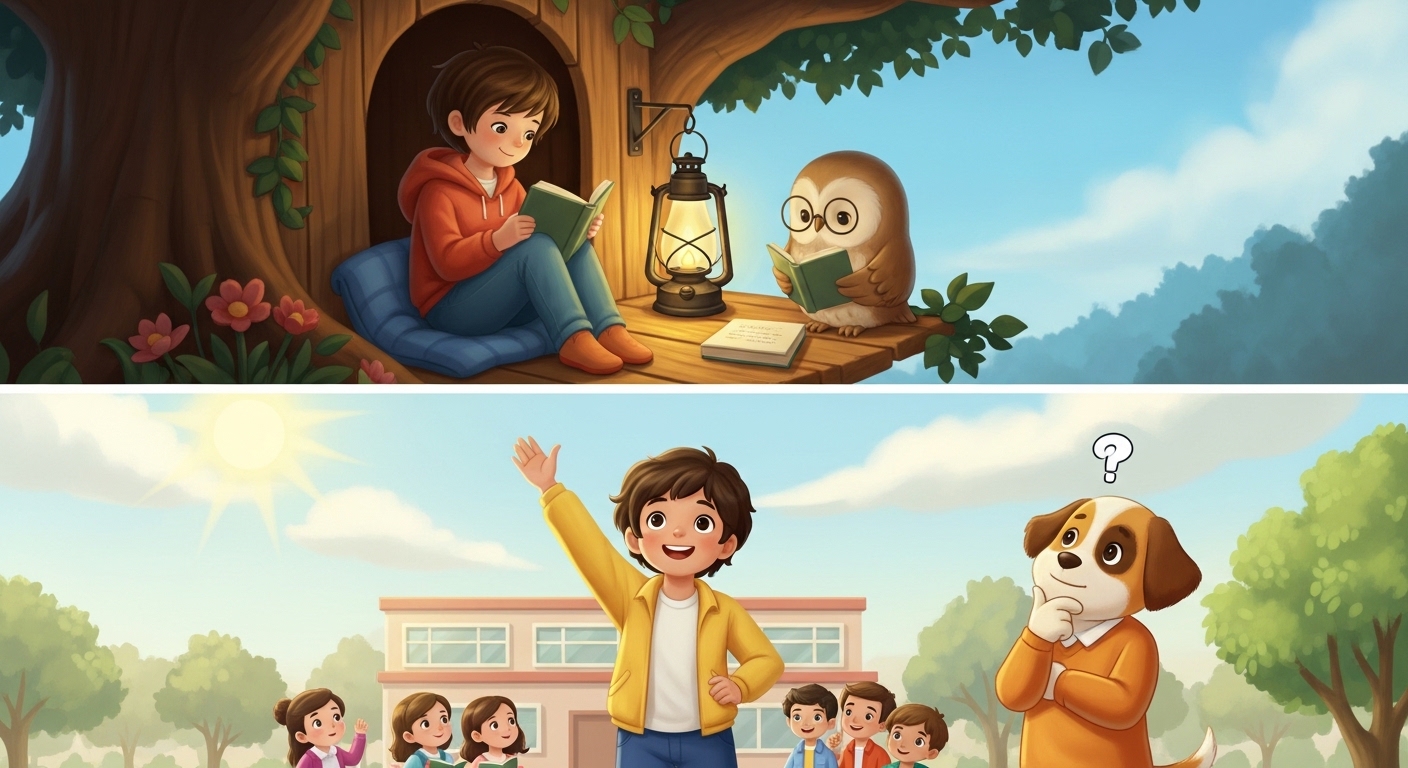
If your child is an introvert—quieter in social situations, always observing—they need a character who reflects that inner world first. Look for a character style rich in inner thoughts. But here's the magic: when that same character eventually speaks up at just the right moment, your child sees a path forward. Through this visual storytelling alignment, they learn that their voice matters, without feeling like they have to change who they are.
For your extroverted child—the one who speaks their mind straight away—their challenge isn't expression, it's sometimes knowing when to pause. A child-centred design featuring a character who thinks before acting shows them a different way, gently introducing the idea of balance.
For Children Who Get Frustrated Easily
Some children react strongly when things don't go their way. Frustration bubbles up fast, followed by a shutdown or a meltdown. In their story, you can show a character who fails, takes a breath, and tries again. That alternative response, shown through thoughtful character design, becomes a quiet lesson in resilience.
For Sensitive Young Minds
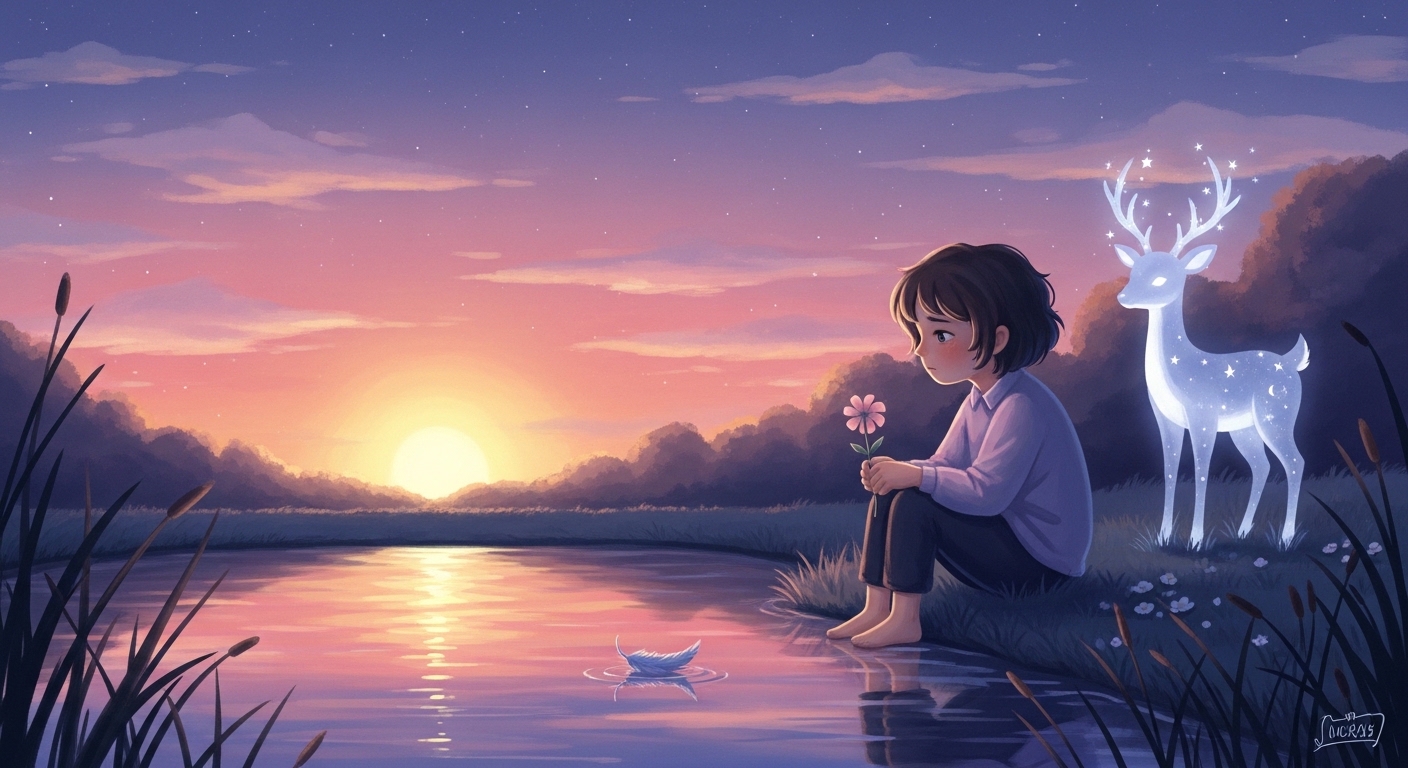
Sensitive children feel everything deeply. They notice tone, mood, and emotion long before anyone else. That's not a weakness—it's just who they are. Your customised story characters can gently show them that it's okay to feel deeply, but also that it's okay to let things go. A character who experiences something emotional and then calmly moves on can be incredibly powerful for a sensitive child.
For Children with an Authoritative Mindset
Some children just naturally take charge. They're born leaders. For them, choose character style matching that shows leadership as cooperation, not control. A leader who listens, who includes others, who values the team—that's the kind of role model who can guide your child without creating power struggles.
Positive Traits to Weave Into Your Character
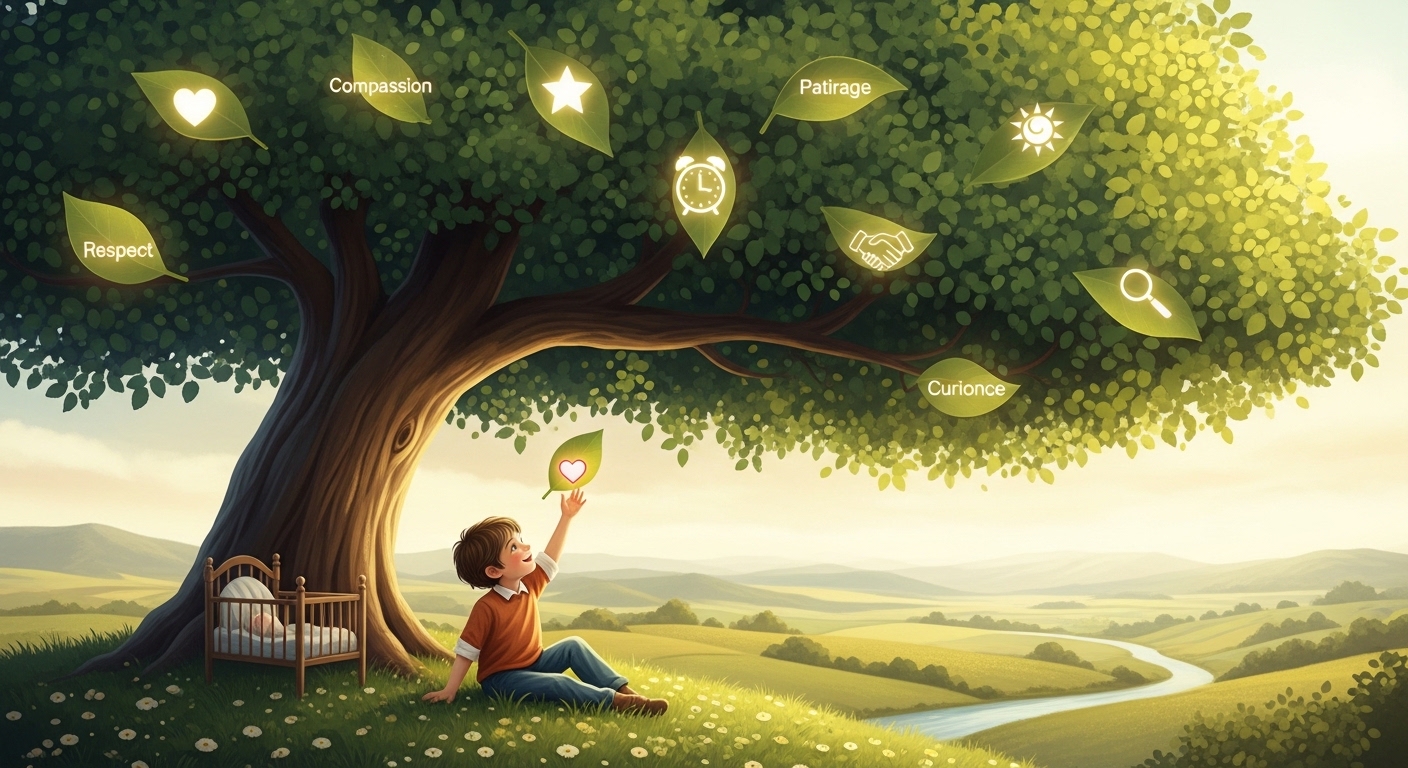
Once you've chosen the right character style, you can think about the traits you'd like to see reflected. These are the qualities that help children navigate the world with kindness and confidence:
Honesty
Patience
Courage
Compassion
Humility
Adaptability
Hope
Gratitude
Respect
Leadership and followership
Serenity
Endurance
Optimism
Positivity
Curiosity and wonder
Kindness
Discipline
Grit and determination
Contentment
Dependability
Diligence
Common Mistakes Parents Make
Even with the best intentions, it's easy to trip up. Here are the most common pitfalls:
Choosing a "perfect" character. A character who never gets things wrong isn't relatable. Your child can't learn much from someone who doesn't struggle.
Picking traits you admire. It's natural to want the best for your child. But if the character's traits don't actually resonate with them, the story won't land.
Turning storytime into a lecture. The moment you start explaining the moral, the child tunes out. Let the story do the talking.
So, what's the solution?
When you're reading together, don't over-explain. Just read. But do add emotion to your voice—warmth when the character shows kindness, excitement when they're brave. Your child will start to associate those feelings with the words. Later, when they read alone, it'll all make sense.
And here's the clever bit: when a child hears the same story again, their brain already knows the plot. So their attention shifts from what happens to how the character behaves. The lesson sinks in naturally, without anyone pointing it out. The child reaches it at their own pace, through the power of visual style storytelling.
Frequently Asked Questions
Can storybook characters really influence a child's personality over time?
Yes, but gently and gradually. When a child sees the same kind of behaviour in different stories, it starts to feel normal. Familiar. And what becomes familiar often slips into real life without the child even realising it. It's not a dramatic change—it's a quiet shaping over time.
Should the character match my child's personality exactly or show a different side?
Start with a match. In the first few pages, let your child see familiar behaviour—it builds trust. Once that trust is there, the character can gently show a slightly different response. It's not about replacing who they are; it's about showing them other options, in a way that feels safe and accepting.
Final Thoughts
Choosing the right character style for your child isn't about fixing them or changing who they are. It's about filling in the gaps, softening the edges, and gently showing them new ways to be through someone they admire. It's growth, but at their own pace, in their own way.
At Tiny Tales, we can help you create a personalised storybook based on your child's age, the character style you choose, and the traits you'd like to explore. All you have to do is upload your child's photo, fill in a few details, suggest any edits, and we'll deliver a beautiful printed book straight to your door.
Ready to create a character they'll love?
Start Your Personalised Storybook at Tiny Tales Today!
Written by
Tiny Tales Team
Content Creator & Storyteller
The Tiny Tales Team is a passionate group of storytellers, educators, and parents dedicated to creating magical personalised books for children. With years of experience in children's literature and early childhood development, we craft stories that spark imagination, build confidence, and create lasting memories. Our mission is to make every child the hero of their own adventure, one personalised tale at a time.
View all articles